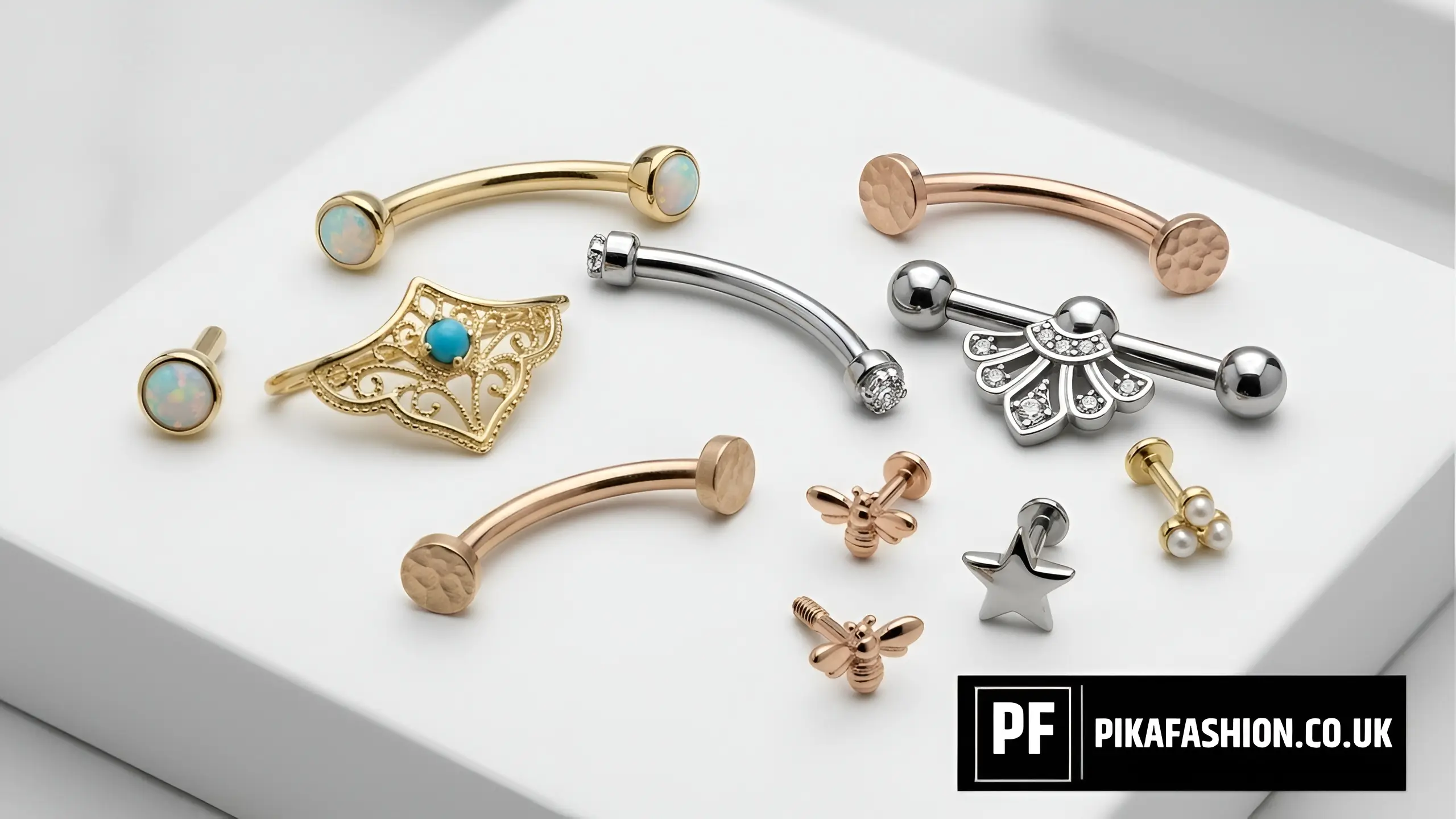
The world of body modifications continues to evolve, with intimate piercings gaining recognition as legitimate expressions of personal aesthetic choice and bodily autonomy. Among these, the Isabella piercing stands as one of the most distinctive and talked-about genital modifications available today. Whether you’re considering this piercing, curious about the trend, or seeking comprehensive information about its implications, understanding every facet becomes essential.
The Isabella piercing, also referred to as the “Isabella” or “Isabella curved barbell” piercing, represents a vertical piercing positioned directly above the clitoris, traveling through the clitoral hood. Unlike more common genital piercings, the Isabella piercing requires exceptional skill from experienced piercing professionals and demands meticulous aftercare to ensure successful healing and long-term satisfaction.
This comprehensive guide explores everything you need to know about Isabella piercings from the initial consultation through years of wearing and maintaining your jewelry. We’ll examine the professional expertise required, the realistic expectations for healing, potential complications, and how to make an informed decision about whether this piercing aligns with your personal goals.
Understanding the Isabella Piercing: What Makes It Unique
The Isabella piercing occupies a specific niche within the broader category of genital piercings. Its uniqueness lies not just in its placement but in the anatomical considerations that make it challenging to execute successfully.
Anatomical Placement and Positioning
The Isabella piercing follows a vertical trajectory through the clitoral hood, positioned directly above the clitoris. This placement distinguishes it from the more commonly performed vertical clitoral hood (VCH) piercing, which passes through the tissue of the hood itself rather than above the clitoris. The subtle difference in positioning creates significant implications for sensation, jewelry options, and the overall wearing experience.
The piercing typically measures between 6 to 8 millimeters in depth, though individual anatomy varies considerably. This relatively shallow channel means that the quality of the piercing technique becomes absolutely critical. A piercer working on an Isabella piercing must possess extensive experience with intimate anatomy and an exceptional ability to assess individual variations in clitoral structure and hood configuration.
Why Professional Expertise Matters
Not every experienced piercer can successfully perform an Isabella piercing. This particular modification requires:
- Advanced knowledge of female genital anatomy and normal variations
- Experience with curved jewelry positioning in intimate areas
- Ability to assess healing capacity and tissue quality
- Understanding of sensation and nerve distribution
- Skill in performing the piercing with precision under challenging conditions
- Knowledge of appropriate jewelry sizing and materials
Attempting an Isabella piercing with a piercer lacking this specific expertise dramatically increases risks of improper placement, excessive tissue damage, nerve involvement, and poor healing outcomes. This specialization requirement means that someone seeking an Isabella piercing may need to travel to find an appropriately qualified professional, making research and vetting particularly important.
The Decision-Making Process: Is an Isabella Piercing Right for You?
Before scheduling a consultation, honest self-reflection about motivation, expectations, and readiness becomes essential.
Evaluating Your Motivation
Consider your reasons for wanting an Isabella piercing:
- Are you pursuing this modification for yourself, or influenced by a partner’s preferences?
- Do you have realistic expectations about sensation changes and potential impacts on sexual experience?
- Are you seeking this piercing as a form of self-expression or bodily autonomy?
- Have you experienced other piercings and developed a pattern of satisfaction with body modifications?
Individuals who report the highest satisfaction with genital piercings typically pursued them out of personal desire rather than external pressure, had realistic expectations about the process, and possessed maturity in thinking through practical considerations like sexual health and hygiene.
Physical Considerations and Anatomical Assessment
Not everyone’s anatomy suits an Isabella piercing. Considerations include:
- Hood structure: Some individuals have hood anatomy that makes vertical piercing placement impossible or inadvisable
- Clitoral prominence: Individuals with less prominent clitoral structures may not be suitable candidates
- Tissue quality: Scarring, previous trauma, or certain skin conditions may affect healing capacity
- Medication use: Certain medications affecting immune function or blood clotting influence piercing viability
A qualified piercer will conduct a thorough consultation examining your anatomy and discussing whether an Isabella piercing represents an appropriate recommendation for your specific body. If a piercer immediately agrees to perform the piercing without careful assessment, this raises immediate red flags about their level of expertise.
Practical Life Considerations
Beyond anatomy and motivation, practical factors deserve consideration:
- Sexual activity timing: Healing takes 4 to 6 weeks minimum, often extending to 3 months or longer before the piercing feels comfortable during sexual activity
- Hygiene and sexual health: Maintaining cleanliness becomes more challenging with a fresh genital piercing
- Partner communication: If you’re in a relationship, discussing your plans with your partner prevents misunderstanding and allows for cooperative decision-making
- Work environment: Some professions may create challenges if you experience visible complications or require time off for issues
- Financial commitment: Initial jewelry investment ranges from $60 to $300 depending on material quality, and replacements or additional pieces add to costs
The Professional Piercing Experience: What to Expect
Understanding the actual piercing appointment helps set realistic expectations and identifies whether a piercer demonstrates appropriate professionalism.
Pre-Piercing Consultation
A thorough consultation typically covers:
- Detailed discussion of your anatomy and whether it’s suitable for this specific piercing
- Explanation of the piercing process, including duration and sensations to expect
- Comprehensive aftercare instructions and healing timeline
- Jewelry options, materials, sizing, and costs
- Discussion of potential complications and warning signs requiring medical attention
- Review of your medical history, current medications, and any conditions affecting healing
- Written consent acknowledging you understand the risks and are choosing this modification
Quality piercers document these conversations and provide written aftercare instructions. They encourage questions and never pressure clients toward the piercing if any doubt exists about suitability or readiness.
The Piercing Procedure
The actual piercing process involves:
- Sterilization and preparation: The practitioner cleanses the area thoroughly and applies appropriate topical anesthetic if requested
- Marking: The piercer marks entry and exit points, allowing you to approve the placement before proceeding
- Positioning: You’re positioned to allow the piercer optimal visibility and access while remaining as comfortable as possible
- Piercing: Using a hollow needle (typically 12 or 14 gauge), the piercer creates the channel in a single, smooth motion
- Jewelry insertion: Appropriate jewelry, usually a curved barbell, is immediately inserted
- Aftercare instructions: Final instructions and any necessary supplies are provided
The entire procedure typically takes 5 to 15 minutes, though the psychological and emotional aspects may feel longer. Many people report the anticipation creating more discomfort than the actual piercing sensation.
Healing: The Critical First Weeks and Beyond
Proper healing determines whether your Isabella piercing becomes a source of satisfaction or regret.
Initial Healing Phase: Days 1-14
Immediately after piercing, expect:
- Swelling that peaks around day 2-3
- Mild to moderate discomfort for 3-5 days
- Lymphatic fluid discharge (whitish-clear fluid, not pus)
- Sensitivity to touch and pressure
- Increased sensitivity during sexual arousal
During this phase, strict adherence to aftercare becomes essential. Recommended practices include:
- Saline soaking: 1-2 times daily using sterile saline solution (or homemade salt water made with non-iodized sea salt)
- Avoiding sexual activity: Even without penetration, sexual stimulation causes swelling and irritation
- Keeping the area dry: After soaking, pat gently with clean paper towels (avoid cloth towels that harbor bacteria)
- Wearing loose clothing: Tight undergarments or pants increase friction and irritation
- Avoiding additional irritants: Skip perfumed products, douches, scented feminine hygiene products, and pools/hot tubs
- Proper hygiene: Wash hands before touching the area; change underwear daily
Intermediate Healing: Weeks 3-8
During weeks 3-8:
- Swelling gradually decreases
- Discomfort significantly reduces
- The piercing may feel nearly healed while still healing internally
- Jewelry migration sometimes occurs, especially if movement irritates the channel
This phase presents a particular challenge because the piercing feels healed before it actually is. Premature sexual activity during this period can disrupt healing and extend the timeline.
Full Maturation: 2-6 Months
Complete healing varies considerably based on individual factors:
- Body’s healing capacity: Varies significantly between individuals
- Aftercare consistency: Strict adherence accelerates healing
- Jewelry material quality: Higher quality materials (titanium, solid gold) support faster healing than cheaper alternatives
- Frequency of sexual activity: Regular sexual contact during healing extends the timeline
- Lifestyle factors: Stress, sleep quality, nutrition, and overall health influence healing
Many experienced piercing professionals recommend waiting a full 3 months before considering the piercing fully healed, even if symptoms resolve sooner.
Jewelry Selection: Materials, Styles, and Practical Considerations
The jewelry you wear dramatically impacts both healing success and long-term satisfaction.
Material Quality and Safety
Titanium: Implant-grade titanium (ASTM F136) stands as the gold standard for fresh genital piercings. It’s biocompatible, hypoallergenic, and suitable for all healing stages. Quality titanium pieces cost $60-150 but prove worthwhile for the superior healing support.
Solid Gold: 14k or 18k solid gold works beautifully for fully healed piercings. It’s appropriate for sensitive skin and aesthetically versatile. Quality gold jewelry costs $100-400+ but lasts indefinitely.
Stainless Steel: While common, surgical stainless steel contains nickel that sometimes triggers sensitivity reactions. It’s acceptable for healed piercings in people without metal sensitivities but not ideal for initial healing.
Avoid completely: Acrylic, bone, wood, or cheap plated jewelry. These materials cannot be adequately sterilized, harbor bacteria, and often contain nickel or other problematic metals.
Jewelry Styles for Isabella Piercings
- Curved barbells: The standard choice, available in various gauges and lengths
- Shields and caps: Add decorative elements while maintaining the barbell base
- Retainers: Flesh-toned or clear jewelry for situations requiring discretion
- Fixed bead rings: Less common but viable for fully healed piercings
Sizing Considerations
Isabella piercings typically use 12 or 14-gauge needles. The barbell length varies based on:
- Individual swelling responses
- Hood thickness
- Personal comfort preferences
- Jewelry style selection
A qualified piercer sizes your jewelry appropriately, and you should have the opportunity to verify comfort before the piercing is finalized.
Potential Complications and Warning Signs
While many Isabella piercings heal without incident, understanding possible complications allows for quick intervention if problems arise.
Common Complications
Migration and rejection: The piercing channel slowly moves from its original position or expels the jewelry entirely. Signs include:
- Jewelry appearing more superficial than originally
- Increasing discomfort or sensitivity
- Visible redness forming a line around the jewelry
- Jewelry feeling loose or unstable
Infection: Bacterial infection requires medical attention. Symptoms include:
- Increasing pain (beyond normal healing discomfort)
- Warmth, redness, or swelling that worsens rather than improves
- Purulent discharge (thick, yellow, or green fluid)
- Fever or systemic illness
- Streaking (red lines extending from the piercing)
Excessive swelling: Some individuals experience profound swelling that affects function or comfort. Management includes:
- Continued saline soaking
- Ibuprofen for inflammation reduction
- Ice application (brief, wrapped in cloth)
- Professional assessment if swelling prevents normal function
Nerve involvement: The clitoral area contains significant nerve density. If the piercing affects sensation, this could indicate nerve involvement. Seek professional evaluation if:
- Numbness develops in the clitoral area
- Pain radiates in unexpected patterns
- Sensation changes that don’t improve within days
Jewelry-related irritation: Poor quality jewelry or incorrect sizing creates ongoing irritation:
- Persistent redness that doesn’t improve with care
- Discomfort that doesn’t decrease over weeks
- Recurring swelling despite proper aftercare
When to Seek Professional Help
Consult a healthcare provider if you experience:
- Signs of infection (fever, increasing pain, purulent discharge)
- Bleeding that doesn’t stop with gentle pressure within 10 minutes
- Severe allergic reactions (difficulty breathing, facial swelling)
- Inability to urinate due to swelling or pain
- Jewelry that causes functional problems or unbearable pain
- Complications that don’t improve within a week of appropriate care
Do not attempt to remove the jewelry yourself if infection or serious complications develop. Professional healthcare providers can manage these issues while preserving the piercing if you wish to keep it.
Sexual Activity and Sensation: What Changes to Expect
Many people pursue genital piercings specifically for enhanced sexual pleasure, making realistic expectations about sensation crucial.
Sensation During Healing
During the healing period, sexual stimulation typically increases discomfort rather than pleasure. The area becomes sensitive to touch, and even gentle contact can irritate the healing channel. This makes it essential to abstain from sexual activity or at least avoid direct stimulation of the piercing site during healing.
Long-Term Sensation Changes
Once healed, Isabella piercings affect sensation through multiple mechanisms:
- Jewelry stimulation: The barbell provides consistent stimulation to the clitoral hood and surrounding tissue
- Altered touch sensation: Some individuals report enhanced sensation from partner contact with the jewelry
- Movement feedback: Jewelry movement during sexual activity provides proprioceptive feedback
- Psychological factors: The knowledge of wearing the piercing creates psychological arousal for some individuals
Individual Variation
Sexual satisfaction with Isabella piercings varies dramatically:
- Some individuals report significantly enhanced pleasure and easier orgasm
- Others notice minimal sensations changes
- A few find the sensation uncomfortable or distracting
This variation depends on:
- Individual sensitivity and nerve distribution
- Psychological comfort with the modification
- Partner awareness and accommodation
- Jewelry material and design
- Overall sexual communication and comfort with exploration
Partner Considerations
Communication with sexual partners becomes important. Some partners:
- Find the jewelry aesthetically appealing
- Enjoy the sensations of the jewelry during sexual activity
- Appreciate the expression of bodily autonomy and self-determination
- Require reassurance that the piercing doesn’t indicate dissatisfaction with existing sexual intimacy
Partners uncomfortable with the piercing may benefit from understanding your motivations and taking time to adjust to the modification.
Case Studies: Real Experiences with Isabella Piercings
Case Study 1: Sarah’s Journey Toward Body Autonomy
Sarah, a 28-year-old professional, pursued an Isabella piercing as part of broader work reclaiming her body after feeling controlled in previous relationships. She spent three months researching piercers, eventually traveling 200 miles to work with someone specifically experienced in Isabella piercings.
Her healing progressed smoothly over 8 weeks. She reported that the piercing itself felt like a physical representation of her autonomy and personal power. While she noticed minimal sensation changes during sexual activity, the psychological impact of wearing the piercing created a sense of embodiment and confidence that extended beyond sexual contexts. Two years post-piercing, Sarah remains satisfied, having upgraded to 18k gold jewelry that she finds aesthetically beautiful and personally meaningful.
Case Study 2: Michael and Jessica’s Couples Exploration
Jessica and Michael mutually decided to explore genital modifications as part of revitalizing their long-term sexual connection. Jessica pursued an Isabella piercing while Michael opted for a Prince Albert piercing. Both carefully researched practitioners and maintained open communication throughout the process.
The healing period required patience and creativity as they navigated sexual intimacy differently. Once both piercings healed, they discovered that the jewelry created new sensations and prompted increased attention to their sexual connection. They report that the process of pursuing modifications together, discussing fears and expectations, and supporting each other through healing ultimately strengthened their emotional intimacy alongside the physical changes.
Case Study 3: Rachel’s Complication and Recovery
Rachel’s Isabella piercing began migrating about 8 weeks post-healing. She noticed the jewelry appearing increasingly superficial and contacted her original piercer. The piercer assessed the situation and recommended allowing the piercing to close before re-piercing after several months of complete healing.
While disappointed, Rachel appreciated the professional guidance preventing further complications. She allowed the piercing to close, successfully re-pierced 6 months later with excellent results. She notes that the experience taught her the importance of following aftercare instructions meticulously and seeking professional guidance when problems arise rather than attempting self-management.
Long-Term Wear: Maintenance, Jewelry Changes, and Lifestyle Integration
Once your Isabella piercing has fully healed, long-term satisfaction depends on ongoing attention to hygiene and jewelry quality.
Ongoing Hygiene Practices
Even after complete healing, maintaining cleanliness supports long-term health:
- Continue saline soaks during menstruation or if any irritation develops
- Maintain general genital hygiene with water-only cleansing
- Avoid harsh soaps or douches
- Change underwear daily
- Ensure partners maintain basic hygiene before sexual contact
Jewelry Rotation and Upgrades
Many people eventually upgrade from initial jewelry to higher-quality or more aesthetic pieces:
- Allow time between removals to maintain the piercing channel’s stability
- Always replace jewelry with something of appropriate length and gauge
- Have professional piercers handle complex jewelry changes if unsure
- Invest in quality jewelry that you’ll enjoy wearing long-term
Removal and Closure
If you eventually decide to remove your Isabella piercing:
- Removal during the first year may allow complete closure
- Removal after several years typically results in some scarring or a small permanent mark
- The piercing channel closes relatively quickly compared to other genital piercings
- You can re-pierce at a later date if you change your mind
Addressing Common Questions and Concerns
Frequently Asked Questions
Q: How painful is an Isabella piercing?
A: Pain tolerance varies individually, but most people report the piercing itself creating sharp, brief discomfort rather than severe pain. The initial weeks of healing sometimes create more discomfort than the actual piercing. Many individuals rate the experience as less painful than they anticipated.
Q: Will an Isabella piercing affect my ability to have children?
A: No. The Isabella piercing does not affect fertility, pregnancy, or childbirth. You can safely continue wearing the piercing throughout pregnancy, though you may want to remove it temporarily if irritation develops. Consult with your healthcare provider about any specific concerns.
Q: Can I get an Isabella piercing if I’m on my period?
A: While it’s technically possible, many piercers recommend scheduling when you’re not menstruating. Menstruation increases blood flow, which can increase bleeding during the piercing and swelling afterward. If you must get pierced during menstruation, inform your piercer and follow aftercare instructions particularly carefully.
Q: What’s the difference between an Isabella piercing and a VCH piercing?
A: The main difference is placement. A VCH (vertical clitoral hood) piercing passes through the tissue of the clitoral hood itself, while an Isabella piercing sits above the clitoris. This subtle difference creates different sensations and requires different technical approaches.
Q: How much does an Isabella piercing cost?
A: Professional Isabella piercings typically cost $100-300 for the service itself, plus jewelry costs ranging from $60-300+ depending on materials. Avoid piercers offering Isabella piercings for less than $100, as this suggests inadequate expertise or poor jewelry quality.
Q: Will my Isabella piercing be visible through clothing?
A: No. The piercing sits internally within the genital area and is completely invisible through clothing. Only you and your sexual partners will know about the piercing unless you choose to discuss it.
Q: Can I have an Isabella piercing removed for surgery?
A: Yes. If you require medical procedures requiring general anesthesia or genital area procedures, you can safely remove the jewelry. Alert medical personnel to the piercing so they can assess whether removal is necessary for your specific procedure.
Q: What should I do if my Isabella piercing smells bad?
A: Some odor is normal due to natural genital bacteria and secretions collecting around jewelry. Increased or notably unpleasant odor combined with other symptoms may indicate infection, requiring medical evaluation. Regular saline soaking and hygiene usually manage minor odor issues.
Q: Can I sleep on my stomach after getting an Isabella piercing?
A: Initially, stomach sleeping may create pressure and discomfort. Many people find side or back sleeping more comfortable during healing. Once healed, sleeping position doesn’t affect the piercing.
Q: How often should I change the jewelry in my Isabella piercing?
A: During healing, never change the jewelry yourself. Once fully healed, you can change jewelry as infrequently as you’d like or as often as you enjoy having variety. Many people keep the same jewelry indefinitely.
Making Your Final Decision
An Isabella piercing represents a significant and intimate body modification decision. Taking time to thoroughly research, honestly assess your motivations, and connect with experienced professionals ensures you make a choice aligned with your values and desires.
Key Takeaways for Your Decision
The most satisfied Isabella piercing wearers typically:
- Pursued the piercing from personal desire rather than external pressure
- Selected experienced, reputable piercers despite requiring travel
- Maintained realistic expectations about sensation and healing
- Followed aftercare instructions meticulously
- Communicated openly with partners about their plans and experiences
- Appreciated the psychological and aesthetic aspects alongside physical sensations
If you resonate with these patterns, an Isabella piercing may prove to be a positive modification supporting your sense of bodily autonomy and self-expression.
Finding the Right Piercer
When you’re ready to proceed:
- Research piercers specifically experienced with Isabella piercings
- Review photos and read reviews from previous clients
- Schedule consultations to assess their expertise and communication style
- Trust your instinct if something feels off about a piercer
- Prioritize experience and professionalism over convenience or cost
- Don’t hesitate to travel if necessary to find the right practitioner
Your comfort, safety, and satisfaction deserve the investment in quality professional care.
For More Visits: Pika Fashion
Also Read: Xiangaijiaqi.com: 7 Powerful Solutions for Digital Success